

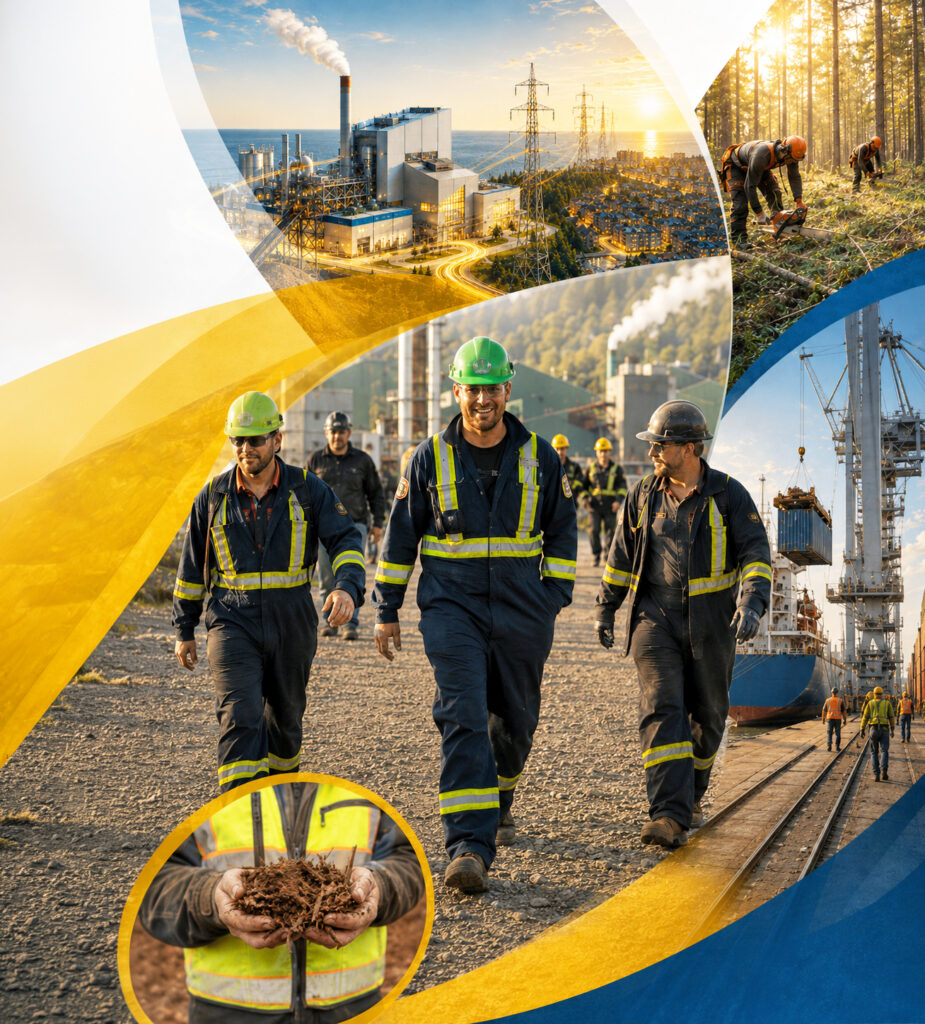
Canada’s forest sector stands at a turning point. As older sawmills and pulp and paper mills continue to close, rural communities are facing the loss of skilled jobs, economic opportunity, and critical industrial infrastructure.

The project combines globally proven technology and world-leading environmental controls to strengthen Canada’s bioeconomy by producing kraft market pulp and renewable electricity, reducing power-grid carbon emissions, creating long-term rural employment, and reinvigorating a globally competitive, sustainable forest sector for generations to come.
Strategically located on the Canso Strait in northeastern Nova Scotia on deep-water serving global pulp markets
Providing renewable, dispatchable power to Nova Scotia’s grid
Global top environmental performance underpinned by stringent European standards
Strengthening Canada’s trade balance and reversing decades of sector decline
Low-carbon power production reducing grid carbon
Forestry is the ultimate rural industry. Creating jobs in rural areas of eastern Canada
Diversified Eastern Canadian fibre sources currently underutilized with pulp and paper mill closures
Market-driven forest thinning and fuel reduction supporting wildfire resilience at scale

About Us
NS Bioproducts is being advanced by a coalition of Nova Scotian forestry interests committed to strengthening Atlantic Canada’s forest sector through sustainable industrial development. As the project progresses, project partners, ownership details, and governance arrangements will be announced when they are formally established.
Facility Details
The NS Bioproducts facility on the Canso Strait will pair a kraft pulp mill with co-generated green electricity manufacturing. Designed with advanced, resource-efficient technology, the facility maximizes the use of its wood, water, chemicals, and energy inputs while actively preventing waste generation. Equipped with best available technology emissions controls, the facility discharges will meet strict European Commission environmental standards.
Not Boat Harbour
Not Northern Pulp
Representing a reset for Canada’s forest sector, the bioproducts facility is a departure from the environmental and social failures of the former Northern Pulp. This new-build project is engineered around modern public expectations and the stringent European Commission environmental standards. By using best available technology, the facility replaces traditional fossil fuels with biomass-based energy, oversees emissions management through advanced control devices and odour collection, and processes industrial wastewater via a sophisticated land-based system before deep-water release into the Canso Strait. Ultimately, the NS Bioproducts operates as a top performing, low-emission facility designed to deliver jobs, clean power, and forest-sector stability while avoiding the environmental failures that made Northern Pulp unacceptable.
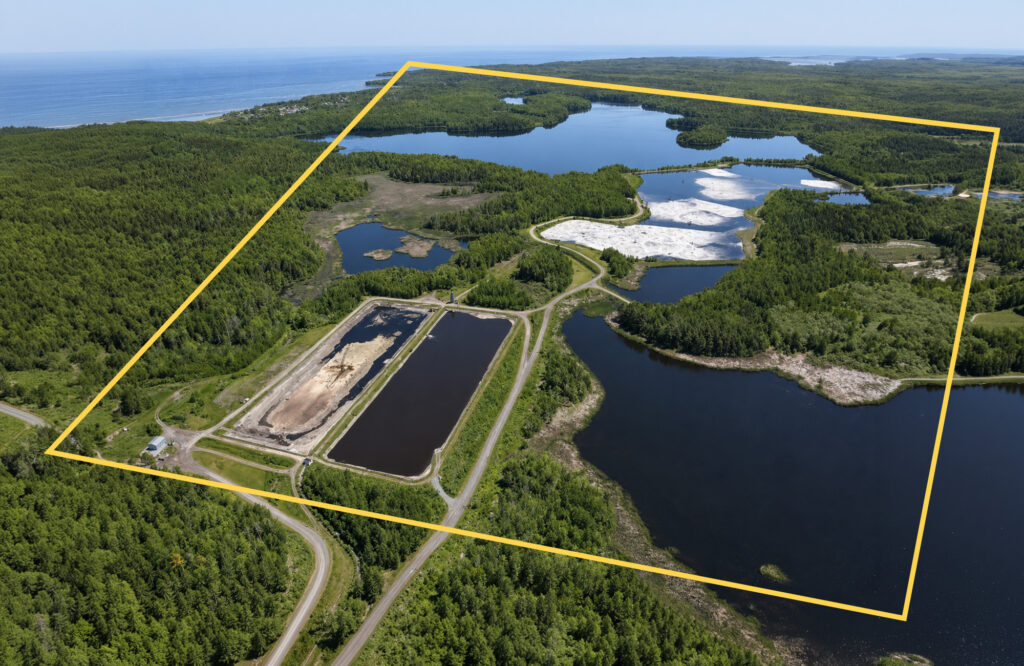
NORTHERN PULP
350 Acres
Water Treatment System
Built on Natural Estuary
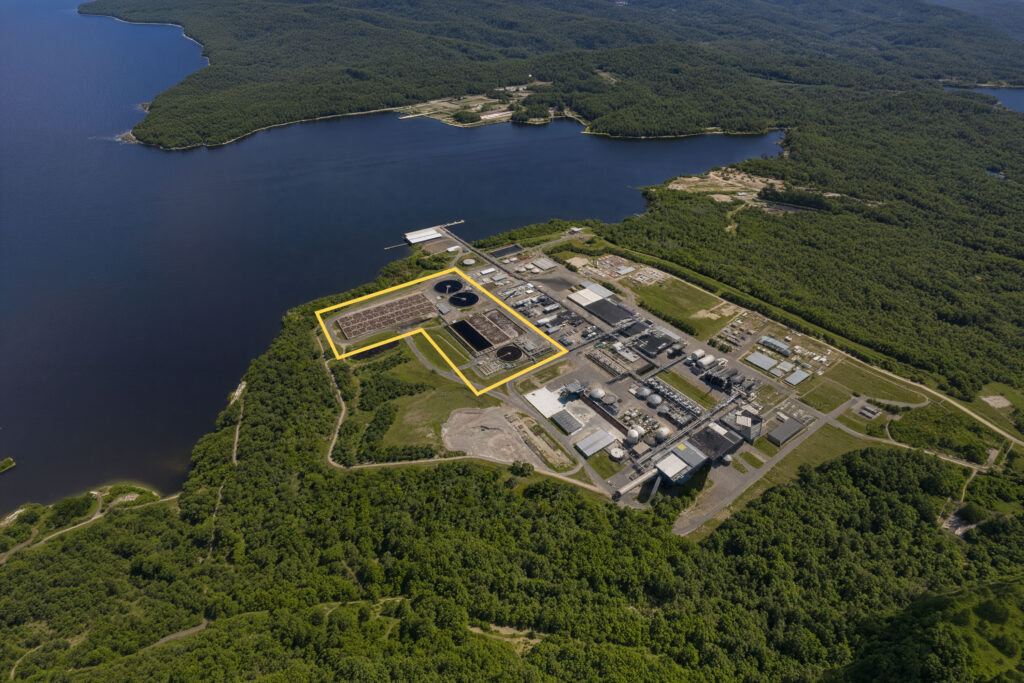
PROPOSED FACILITY
35-45 Acres
Water Treatment System
Built on Land
Fibre Supply
Nova Scotian forests will form much of fibre supply including wood chips from sawmills in the province as verified by two independent studies. The balance of demand will be sourced from New Brunswick North Shore, Quebec Gaspé Peninsula, Newfoundland, and Maine.